
Understanding the psychology behind gambling why do we take risks
The Thrill of Uncertainty
The allure of gambling often stems from the inherent excitement tied to uncertainty. Many individuals are drawn to the unpredictable nature of games, where outcomes are not predetermined. This unpredictability can trigger a rush of adrenaline, much like extreme sports or other high-stakes activities. The thrill comes from the anticipation of a win, leading players to engage in risk-taking behaviors that might seem irrational on the surface. In searching for the best options, many enthusiasts explore platforms that offer payid online pokies, enhancing their gaming experience.

Moreover, the dopamine release associated with risk-taking creates a pleasurable sensation. When a gambler places a bet, they often experience a heightened sense of euphoria, especially if they believe they could win big. This feeling can lead to a cycle of behavior where the individual continues to gamble, hoping to replicate that moment of excitement. Understanding this cycle is crucial in recognizing why individuals find themselves drawn to gambling.
Additionally, the social aspect of gambling can amplify the thrill. Many gamble with friends or in lively environments like casinos, where the energy can be contagious. The shared experience of risk-taking can strengthen bonds and create lasting memories, making the act of gambling more appealing. Thus, the combination of personal excitement and social engagement plays a significant role in why people continue to gamble.
The Role of Cognitive Biases
Cognitive biases significantly influence gambling behavior, often leading players to make decisions that defy logic. One prevalent bias is the “gambler’s fallacy,” which is the belief that past events influence future outcomes in random scenarios. For instance, a player might think that because a roulette wheel landed on red several times in a row, black is “due” to occur. This flawed reasoning can lead to increased betting and greater financial risk.
Another common bias is the illusion of control, where gamblers believe they can influence the outcome of a game through skill or strategy. This belief can be especially strong in games like poker, where players often feel that their decisions impact the results. Such cognitive biases reinforce the idea that gambling can be a lucrative endeavor, which can further motivate individuals to take risks.
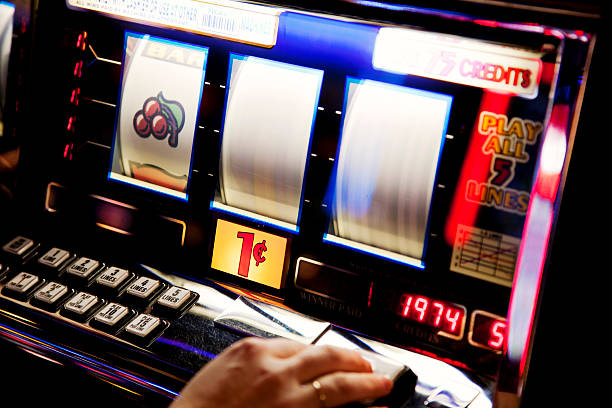
The impact of cognitive biases is compounded by the design of gambling games themselves. Many games employ mechanisms that can exploit these biases, encouraging players to gamble more. For example, slot machines often have near-miss outcomes, where players come close to winning but don’t quite succeed. This can lead to a false sense of achievement and encourage players to keep trying, reinforcing their desire to take risks despite the odds.
Emotions play a crucial role in gambling behaviors. Many individuals turn to gambling as an escape from stress or emotional pain, seeking solace in the temporary distractions that gambling offers. This emotional relief can create a dependency on gambling as a coping mechanism, which often results in increased risk-taking. In these cases, individuals may gamble not to win, but to alleviate negative feelings.
Moreover, the highs and lows of gambling can lead to a rollercoaster of emotions. Winning can create intense feelings of elation, while losing can result in frustration or despair. This emotional turmoil can trigger a cycle where individuals chase losses, thinking that a win will restore balance. Such emotional responses to gambling can lead to more significant financial risks, as players become increasingly desperate to recapture the highs they experienced earlier.
Understanding the emotional factors that drive gambling behavior is essential for recognizing when risk-taking is becoming problematic. By addressing emotional triggers, individuals may develop healthier coping mechanisms that do not involve gambling. By doing so, they can mitigate the risks associated with gambling while maintaining a more balanced emotional state.
Social factors play an essential role in gambling behavior, as the attitudes and behaviors of peers can significantly influence individual decisions. Many people begin gambling in social settings, where the environment may normalize risky behavior. This peer pressure can lead to increased participation, even among those who might not typically engage in gambling. The desire to fit in or impress others can amplify the inclination to take risks.
Additionally, cultural perceptions of gambling also shape how individuals approach risk. In some cultures, gambling is celebrated as a fun and exciting pastime, while in others, it may be viewed more critically. These cultural norms can influence how individuals perceive their chances of winning, potentially leading to either conservative or reckless behavior. Understanding these social dynamics can provide valuable insight into why certain individuals are more prone to gamble.
As technology continues to evolve, online gambling has also introduced new social dynamics. Players can now participate in gambling from the comfort of their homes while still engaging with a community through chat rooms and forums. This virtual socialization can create a sense of belonging and reinforce risk-taking behaviors, as players share experiences and strategies with one another. The convergence of social influence and gambling creates a complex environment where risks are often amplified.
Exploring Resources for Responsible Gambling
As the gambling industry grows, so does the importance of understanding the psychological factors behind it. Resources for responsible gambling are essential in helping individuals navigate their behaviors and mitigate the risks associated with gambling. Organizations dedicated to promoting responsible gambling offer support, education, and tools to help players recognize when their gambling may be becoming problematic.
Many resources emphasize the importance of self-awareness and self-regulation. They encourage players to set limits on their gambling activities, such as time and monetary restrictions. These measures can help maintain a healthy relationship with gambling, allowing individuals to enjoy it as a form of entertainment rather than a financial risk. By equipping players with the right tools, they can make informed decisions about their gambling behaviors.
In addition, technological advancements are playing a pivotal role in promoting responsible gambling. Many online platforms now incorporate features that allow players to track their gambling habits and set notifications for themselves. These innovations aim to empower players to take control of their behaviors and recognize potential issues before they escalate. By prioritizing responsible gambling, both players and operators can work together to create a safer gambling environment.
“`