
Understanding the psychological thrills behind gambling addiction
The Allure of Risk and Reward
The psychological thrill of gambling lies deeply embedded in the allure of risk and reward. Gamblers are often captivated by the prospect of winning, which activates the brain’s reward system. This activation releases neurotransmitters such as dopamine, creating feelings of pleasure and excitement. As players chase their next win, many find themselves drawn to the best online pokies real money nz, ever hopeful for a big payoff. This unpredictable nature of gambling is what makes it so compelling, as each game offers the potential for significant financial gain.
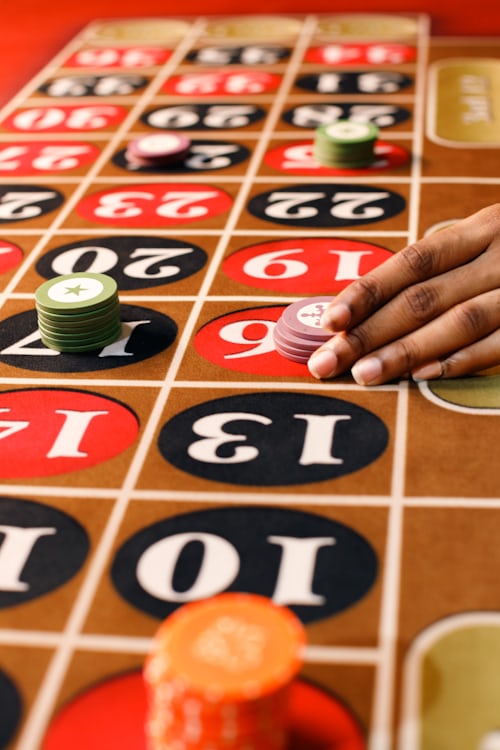
Moreover, the thrill isn’t solely about the potential reward; it also includes the adrenaline rush associated with taking risks. This can lead to a heightened state of arousal, where players experience a surge of excitement that can be difficult to resist. The more a person engages in gambling, the more they may crave that adrenaline rush, which can spiral into compulsive behavior. Understanding this psychological dynamic is crucial in recognizing how gambling addiction develops.
The environment of casinos and online gambling platforms also plays a significant role in heightening these thrills. Colorful lights, enticing sounds, and the ambiance of excitement are designed to create an immersive experience. This multi-sensory environment amplifies the emotions associated with gambling, reinforcing the cycle of addiction. Over time, many gamblers may find themselves seeking out these settings not just for the money, but for the emotional highs they provide, making it increasingly challenging to break the cycle.
The Role of Cognitive Biases
Cognitive biases significantly influence the decisions gamblers make, often leading them to underestimate risks and overestimate their chances of winning. For instance, the “gambler’s fallacy” suggests that past events will influence future outcomes. A player might believe that because they have lost several times in a row, they are due for a win. This flawed reasoning can propel individuals to continue gambling despite mounting losses, convinced that fortune will soon be in their favor.
Another common cognitive bias is the “illusion of control,” where gamblers believe they can influence random outcomes through skill or strategy. This belief can be particularly pronounced in games that involve an element of chance, such as poker or sports betting. Gamblers might invest time and effort into developing strategies, reinforcing their belief that they can outsmart the odds. Such biases not only perpetuate gambling behavior but also provide a sense of empowerment, making it harder to recognize the addiction’s destructive nature.
The combination of these cognitive biases creates a fertile ground for gambling addiction. Gamblers often become trapped in a cycle of denial, where their beliefs shield them from acknowledging the negative consequences of their actions. This denial can be incredibly detrimental, as it hampers their ability to seek help and find ways to combat their addiction. Recognizing these biases is a crucial step in understanding the psychological mechanisms behind gambling addiction.
The Social Dynamics of Gambling
Social factors play a pivotal role in shaping gambling behavior. The normalization of gambling in many cultures, as well as the social acceptance of activities like sports betting, can contribute to increased participation rates. Social environments, including friends or family members who gamble, can create a sense of community and belonging that reinforces gambling habits. For some individuals, gambling becomes a social activity that provides companionship and shared experiences.
Moreover, the rise of online gambling has transformed the social dynamics associated with this activity. Players can engage in gambling from the comfort of their homes, often without the immediate social interactions found in physical casinos. This shift can lead to increased isolation and a greater risk of developing an addiction, as individuals may turn to gambling as a solitary escape from reality. The virtual nature of online gambling can make it easier to hide problematic behaviors from others.
Understanding the social dynamics surrounding gambling is essential for addressing the addiction issue. Programs that emphasize the communal aspects of recovery, such as support groups, can be particularly effective. By focusing on building social connections that promote healthier habits, individuals struggling with gambling addiction can find alternative outlets for social interaction, reducing their reliance on gambling as a means of escape and fulfillment.
Emotional Triggers and Coping Mechanisms
Emotional triggers often serve as precursors to gambling behaviors. Many individuals who struggle with addiction may use gambling as a means to escape from negative emotions such as stress, anxiety, or depression. The temporary relief that comes from gambling can create a vicious cycle, where individuals feel compelled to gamble more to cope with their emotional struggles. This can lead to increased feelings of guilt and shame, further entrenching the addiction.
Additionally, the emotional highs and lows associated with gambling can exacerbate these feelings. Winning may temporarily alleviate negative emotions, leading individuals to seek out gambling during tough times. Conversely, losses can plunge them deeper into despair, prompting them to gamble even more in an attempt to recoup their losses. This back-and-forth emotional rollercoaster can make it increasingly difficult for individuals to recognize the detrimental impact gambling has on their mental health.
To combat these emotional triggers, it is crucial for individuals to develop healthier coping mechanisms. Techniques such as mindfulness, therapy, and engaging in alternative leisure activities can provide necessary emotional outlets. By addressing the underlying emotions that drive gambling behaviors, individuals can begin to create a more sustainable path towards recovery and overall well-being.

Resources and Support for Gambling Addiction
Understanding the psychological thrills behind gambling addiction highlights the need for effective resources and support systems for individuals affected by this issue. Various organizations and hotlines provide confidential assistance to those struggling with gambling problems. These resources offer guidance, counseling, and strategies for overcoming addiction, addressing both the psychological and social aspects involved.
In addition to professional help, support groups can provide a sense of community and understanding among individuals facing similar challenges. Sharing experiences and coping strategies can empower individuals to take control of their gambling behaviors and reduce feelings of isolation. Many support groups adopt a non-judgmental approach, fostering an environment where individuals can openly discuss their experiences and struggles.
As the understanding of gambling addiction continues to evolve, online platforms have emerged as valuable resources for education and support. Websites often provide comprehensive information on the psychological aspects of gambling, as well as practical tools for those seeking help. These platforms can serve as an entry point for individuals looking to gain insights into their behaviors, ultimately aiding in their recovery journey.